Covenants & Dispensations: A Four-Volume Series
Ruach Ha’Kodesh Publishing exists to publish resources that dig into the roots of our faith, live life in and with the Holy Spirit, and walk out a conservative Biblical lifestyle. This series sits right in that lane. Learn more about Ruach Ha’Kodesh Publishing.
Why This Series Exists
Many believers love Scripture, yet feel lost in the “big picture.” They know stories, yet miss the backbone that holds the Bible together.
This series follows that backbone through covenants and dispensations, showing how God’s plan unfolds from Eden to the New Heavens and New Earth, with Messiah at the center.
- Covenant (Hebrew: berit, בְּרִית) is a binding commitment, God establishing real terms, real promises, real responsibility.
- Dispensation is an administration or stewardship, how God’s truth is managed in a given era, while salvation stays by grace through faith.
We take a Messianic-friendly, Bible-anchored approach: honoring Israel and the Body of Messiah (Jew and Gentile), with clarity and respect for God’s covenant faithfulness. EWCMI Statement of Faith.
The Four Volumes
Volume A: Adult Theological Study
This is the backbone text: serious theology with pastoral clarity. It explains each major covenant (Eden, Adam, Noah, Abraham, Moses, David, New Covenant), shows its structure, its placement in redemptive history, and its connection to Yeshua the Messiah.
Volume B: Study Guide for the Teacher / Pastor
Built for leaders: pastors, teachers, small-group facilitators, and parents discipling at home. Each session mirrors Volume A, and adds leader tools, session objectives, teaching flow, guided discussion prompts, and ways to keep the group moving from learning into living.
Volume C: Adult Study Workbook
The hands-on companion workbook for learners. It follows Volume A chapter by chapter with reading plans, reflection questions, word studies, “dig deeper” prompts, memory verses, and practical life application.
Volume D: Expanded Teen Story on the Covenants
A narrative volume written for teens and young adults in two parts. It tells the same covenant truth through story, identity, pressure, faith, and purpose, without watering anything down. It stands alone, and it also pairs clean with Volume A for families and youth groups.
Key Themes You’ll See Repeated
- One God, one plan, one redemption story, not disconnected religion.
- Israel remains distinct, and God’s covenant faithfulness stands.
- Dispensations are stewardships, not different ways of salvation.
- The Torah is holy instruction in its covenant context, revealing God’s character and pointing forward to Messiah.
- The Ruach haKodesh (Holy Spirit) empowers covenant people to live set-apart lives with real obedience, real courage, and real hope.
A Short Scripture Anchor
Jeremiah Chapter 31 Verses 33 through 34 (Tree of Life Version)
“I will put My Torah within them, and on their heart will I write it… for they will all know Me.”
Ephesians Chapter 2 Verses 19 through 22 (King James Version)
“Ye are… of the household of God… builded together for an habitation of God through the Spirit.”
Where To Start
- New to covenants? Start with Volume A.
- Leading a group? Use Volume A + Volume B, and invite the class to use Volume C weekly.
- Family / youth setting? Pair Volume D with the matching chapter in Volume A for a strong “story / study” flow.
Explore This Series
Use the pages below to jump into the part of the series that fits your season of life right now.
- Adult Study: Volume A (Theology) + Volume B (Leaders Guide) + Volume C (Workbook)
- Teen Book: Volume D (Expanded Story that stands alone or pairs with Volume A)
- FREE Coloring Pages (Downloadable): printable art pages that track the covenant journey
Related Reading from Ruach Ha’Kodesh Publishing
Thank you for walking this journey with us. The heart behind this series is simple: Scripture becomes clearer, faith becomes steadier, and daily life lines up with the covenant reality God has spoken.
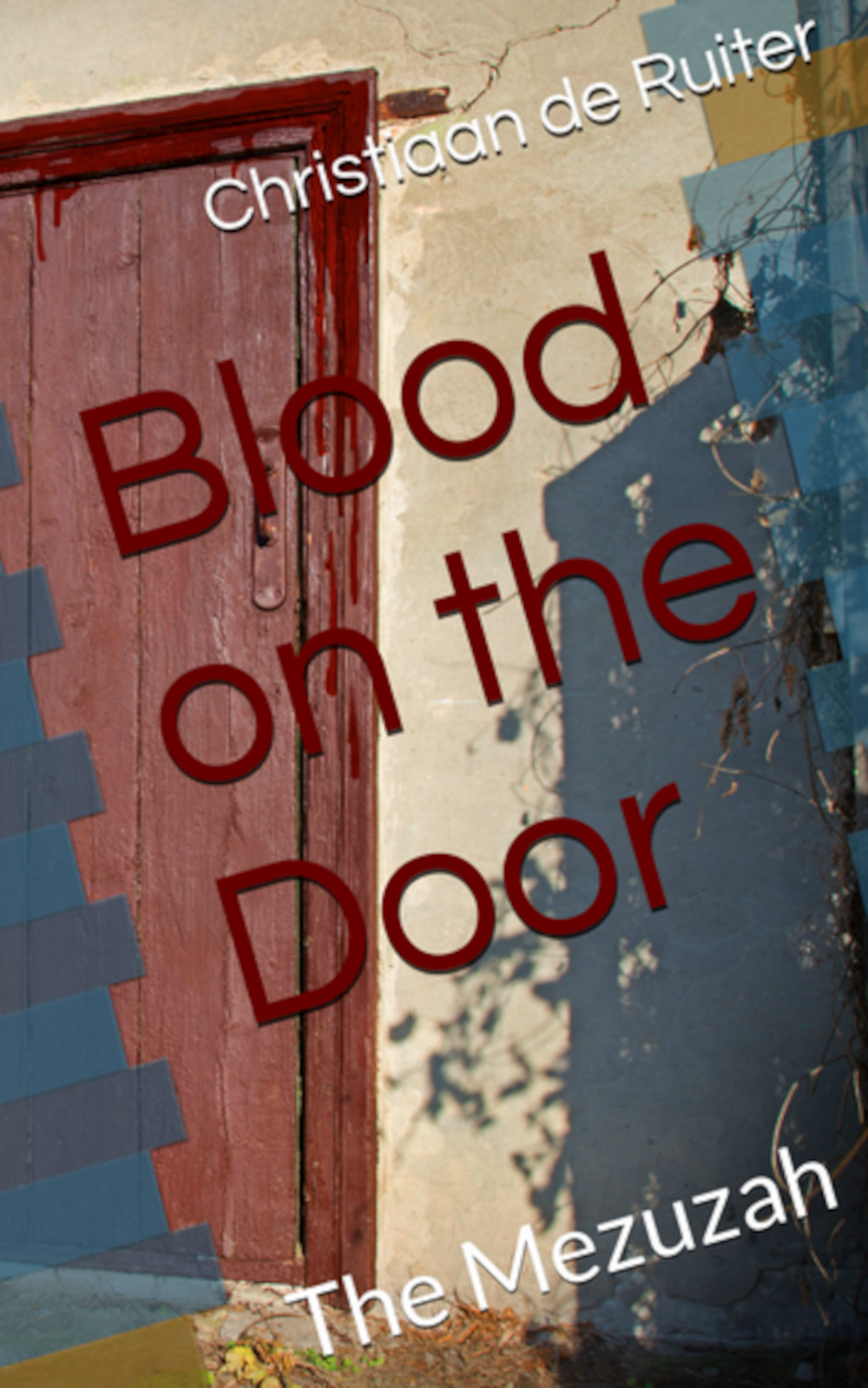
 tely explains the true nature and purpose of the Mezuzah. This thought-provoking book addresses questions such as: What exactly is a Mezuzah? Why should Christians pay attention to it? Is it merely a tradition, or does it hold deeper spiritual significance?